
Stress is not the problem
By Sophie Makonnen
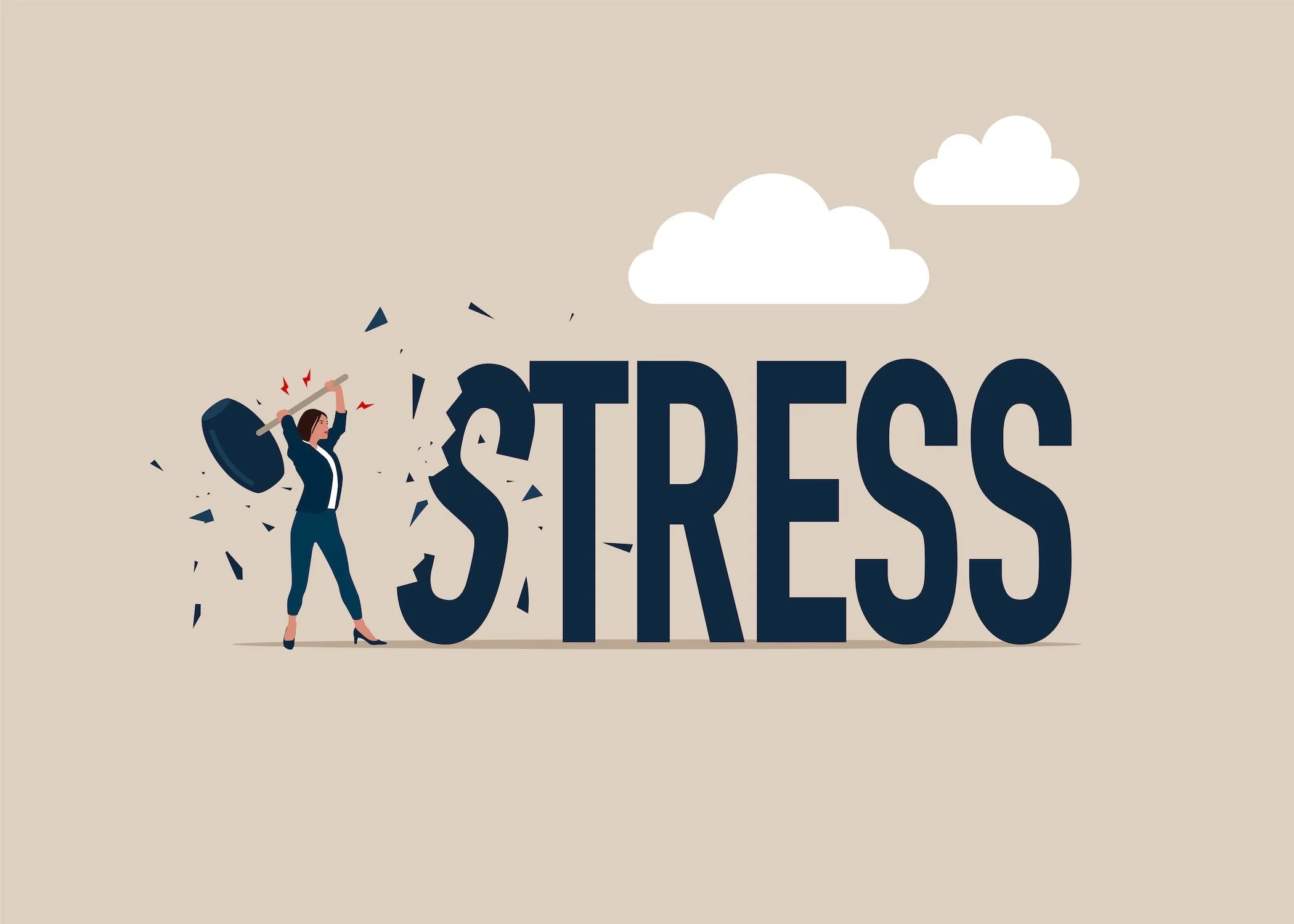
Many leaders quietly assume that if they feel stressed, something must be wrong. They might think they are not organised enough, not resilient enough, or just not suited for the pressures of leadership. The common belief is that a good leader should always have everything under control.
It is worth taking a closer look at this belief.
After more than twenty years working with professionals in complex organisations, I have found that almost every leader deals with some level of stress. This is not a sign of failure, but a reflection of how demanding the work really is. Leaders face tight deadlines, limited resources, changing priorities, teams that need support, and decisions with real impact. For most leaders, this is just a normal day.
The real issue is not the stress itself, but the judgment we place on it. We often think we should not feel this way, that something is wrong, or that we need to get rid of stress before we can do our jobs well. This feeling can be as tiring as the stress itself.
This blog is not about eliminating stress. It is about changing your relationship with it.
Stress, without the drama
Sonia Lupien, who founded the Centre for Studies on Human Stress at the Université de Montréal, has spent years studying how stress affects the brain. Her book Well Stressed (Wiley, 2012; updated and expanded edition: Par amour du stress, Éditions Va Savoir, 2020, in French only) offers one of the clearest explanations I have come across of what stress actually is..
One of her most helpful ideas is the stress bucket. We all have one. Stress builds up in it during the day, a tough conversation, a deadline, a confusing message from a boss, or the news you read before your first meeting. Each one might not seem like much, but together they add up. When the bucket is full and something else happens, even something small, it spills over. That is when your reaction feels bigger than the situation. It is not a sign of weakness. It just means your bucket is overflowing.
Lupien also shares a point that I think is especially important for leaders: the brain cannot tell the difference between real and imagined threats. If you expect a tough conversation, your body reacts as if it is happening right now. If you worry about a decision, you have not made yet, your stress response still kicks in.
What stands out most in her research is that people who believe stress is toxic and dangerous produce more stress hormones than those who see it in a more neutral way. Believing that stress will hurt you can become part of what makes it harmful.
The cumulative load no one talks about
Understanding the stress bucket is especially important when you look at what leaders are facing. This is not just regular pressure. In many social impact organizations, things have changed a lot. Funding is down, programs have been cut or paused, and teams are expected to do more with fewer resources. Often, the stakes for the communities they serve are high. The difference between the mission that drew people to this work and the reality of doing it each day has rarely felt so big.
That gap causes stress. So does not knowing what will happen next. It is also stressful to keep a professional front when you are worried about your team, your program, or your own job.
None of this feels dramatic. Most of it does not seem like a crisis. Instead, it builds up slowly and quietly in the bucket. Because it is not dramatic, many leaders do not call it stress. They say it is just a busy time. They tell themselves things will get better after a project ends or a decision is made. But the bucket keeps filling up.
It is important to say this clearly: ongoing low-level stress, even if it never becomes a crisis, is still stress. It still shapes how you think, how you talk to others, and how you support your team. Just because there is no breaking point does not mean the stress is not real.
When your team's stress becomes yours
There is another side to this that leaders often overlook when thinking about their own stress. They are not just managing their own challenges. They are also taking on what their teams are dealing with.
Executive coach Dina Denham Smith, writing in Harvard Business Review, describes a certain type of leader she calls a toxin handler. This is someone who willingly takes on the emotional weight in their organization, listens to frustrations, eases tensions, and supports colleagues who are having a hard time. These leaders often keep teams working well during tough times. Their efforts matter, even if they usually go unnoticed, sometimes even by the leaders themselves.
If your coworkers turn to you when they feel overwhelmed, or if you are the one quietly handling conflicts so work can move forward, you are taking on more than you might realize. This is not a criticism of your team. It is just part of the job, and it is important to recognize that.
Lupien's research on stress contagion adds another point. Stress can pass from person to person, especially when people work closely together. If a leader is under a lot of stress, that feeling can spread to the team, often without anyone noticing. The same can happen in the other direction. So, taking your own stress seriously is not selfish. It is one way to look after those around you. Like the oxygen mask rule on airplanes, you need to take care of yourself before you can help others.
What you can actually do

This isn’t about getting rid of stress. It’s about learning to handle it in a smarter way.
Pay attention to how much stress you’re carrying. It might seem easy but the signal is easy to override. Most of us have a sense of when they’re reaching their limit, but many leaders ignore that feeling and keep going because the job demands it or because pausing feels like weakness. Try to check in with yourself often, just honestly and calmly. When you know you’re close to your limit, you can make smarter choices about what you take on, how you talk to others, and when you need to step back before responding.
Pay attention to what you are voluntarily adding. Not all stressors arrive uninvited. Some we generate ourselves: constant news consumption, catastrophic thinking about situations that have not yet materialised, environments that keep us on alert when the immediate work does not require it. When your bucket is already full, these accelerate the overflow. You will not eliminate them entirely, but noticing them is a start. Choosing, even occasionally, to limit them is a legitimate act of leadership, not avoidance.
Regulate before you respond. When you are under high stress, your capacity for clear thinking narrows. This is not a character flaw; it is how the stress response works. The practical implication is that the moments when you most want to react quickly are often the moments that most require a pause. Not a long one. Enough to let the initial response settle before you decide or speak.
Find support that really helps. Many leaders try to handle everything alone, especially when they’re also taking on their team’s stress. It can feel strong, but over time it becomes a problem. Whether you talk to a trusted colleague, a mentor, or a coach, having a place to think through what you’re dealing with, without worrying about how the other person will react, is more important than most leaders realize.
There is no single right way to respond to stress. What works in one moment may not work in the next. The more useful practice is to notice your default response, ask whether it is actually serving you, and stay open to adjusting. Stress does not require a fixed strategy. It requires attention.
One last thought
Stress is not a sign that something has gone wrong. It is part of the job, part of the day, part of leading. Learning to step back far enough to see it clearly matters more than trying to eliminate it. We have all tried that last strategy and we know how well it succeeded…. .
Enjoyed this post? Share it with someone who might appreciate it