

Welcome to the Career Insights Blog
Bienvenu.e au blogue Perspectives carrière
For those who have been told to “wait their turn,” to “tone it down,” or to let their work speak for itself, who have worked twice as hard, spoken twice as carefully, and still wonder if they belonged or if it was enough.
Pour les personnes à qui l’on a dit d’attendre leur tour, de modérer leurs propos ou de laisser leur travail parler pour elles. Celles qui ont travaillé deux fois plus dur, parlé deux fois plus prudemment et qui se sont encore demandées si leur place était légitime ou si cela suffisait
BLOG -BLOGUE
Career Insights is a space for growth and skill-building, helping young professionals master the unspoken rules of success—confidence, communication, and career strategy. With practical tools and insights, we help you navigate challenges, refine your skills, and step into your full potential—because talent deserves opportunity.
Perspectives carrière : Un espace dédié à la croissance et au développement des compétences, qui accompagne les jeunes professionnel·le·s dans la maîtrise des règles souvent tacites de la réussite : confiance en soi, communication, et stratégie de carrière. Grâce à des outils concrets et des ressources pertinentes, nous vous aidons à relever les défis, affiner vos compétences et exploiter pleinement votre potentiel. Parce que le talent mérite d’être reconnu et valorisé.
Latest Publications - Publications récentes

Leading Without Certainty: When the Expertise Is Not Yours
Every leader eventually faces a decision they don't have the depth to be fully certain about. Two personal stories, one where the gap cost something and one where it didn't, show what actually separates a sound decision from a shaky one when the knowledge isn't yours.

Managing Sideways: The Leadership Skill No One Coaches You On
We talk endlessly about managing up and managing down. The dimension that gets almost no attention is the one beside us: our colleagues. Research suggests it may matter more to how far our careers actually go than either of the other two. Here is what leading sideways really means, and how to do it without a title.

Is Success Happy?
"We tend to equate success with happiness, assuming that reaching the next title, project, or milestone will bring the satisfaction we're after. Arthur Brooks's research suggests it works the other way: happiness is what makes success sustainable, not its reward. Getting the order right matters more than chasing the next marker."

Decisions That Leave a Mark
Making the decision is the visible part of leadership. And some are harder than others. What you do after, when the pressure has lifted and the impact is settling in, shapes how you lead next. How you look back at the process, how you address the friction it created, and whether you bring the people who lived it into the reflection is what we cover in this blog.

Stress is not the problem
Most of us have been told, in one way or another, that stress is a problem to solve. But what if the problem is not the stress itself, but what we believe about it? Rather than trying to make it disappear, what might it look like to work with it instead?

Imposter Feeling Has More Than One Face
Imposter feeling gets referenced constantly, yet it rarely gets examined closely. Dr. Valerie Young identified five distinct patterns in how it shows up, and each one follows its own logic. Left unexamined, these patterns can influence how you lead, what you model for others, and the standards you set, consciously or not. Understanding which one resonates is more useful than addressing self-doubt in the abstract. This blog walks through all five.

You Keep Saying Imposter Feeling. But Is That Really What It Is?
Imposter syndrome. Lack of confidence. We use these terms as though they mean the same thing. They do not. One is about refusing to own success you have already earned. The other is situational, contextual, and often temporary. Knowing which one you are navigating changes what you do next. And neither is something you must simply live with.

When Your Peers Become Your Team
Getting promoted over former peers is a hard leadership transitions, not because the work is unfamiliar, but because the relationships are. The dynamic shifts whether you name it or not. What follows is a look at what tends to go wrong, what resistance actually looks like, and what helps you lead with clarity without abandoning the relationships that matter.

What Do Leaders Do with Untapped Potential?
Everyone talks about playing to your strengths. Few ask what has never had room to emerge. You were recognised for what you do well. But what about everything you have not yet had the chance to become? Untapped potential does not appear in most performance reviews. It surfaces when someone takes a risk, when circumstances shift, or when a leader decides to look past the obvious. This blog explores what that looks like in practice, for you and for the people you lead.

AI for Leaders: The Questions That Matter (And They Are Not Prompts)
AI is now part of daily professional work. But are we using it well? Research shows that only 5% of employees use AI in truly sophisticated ways. The difference is not technical skill. It is the quality of the questions you bring to it, and the critical thinking and curiosity you apply to what comes back. This blog explores what more deliberate, more engaged use of AI actually looks like in practice.

How to Get Your Ideas Heard When You Are Not the Boss
You have done the work. You know the file. You come prepared. And yet, somehow, your ideas get overlooked, delayed, or picked up later by someone else. It is not necessarily about self-confidence. It is even more pronounced if you are still building your footing, just started a new position, or joined a new organisation. What determines whether an idea gains traction has less to do with being right and more to do with how, when, and with whom you plant it. Three practical approaches to help your ideas land, regardless of where you sit in the organisation.

What AI Cannot Replace
AI can structure your thinking, organise your ideas, and accelerate your work. What it cannot do is tell you what actually matters. That part still requires a human being who knows the context, has navigated the complexity, and understands the consequences. In other words, it still requires a leader.

Leading When the Story Keeps Changing
What happens when you work with someone whose version of events keeps changing? Not disagreement or different perspectives, but when the ground keeps moving under basic facts. The inconsistencies often start small: a meeting recounted differently, details adjusted depending on who's asking. No single instance seems dramatic enough to confront, but the pattern accumulates. Energy shifts from work to verification and record-keeping. For leaders, this becomes an operating condition requiring quiet, pragmatic adaptation when conversation proves insufficient

Fire and Stillness in Leadership
Speed and visibility are increasingly treated as signals of competence at work. Acting fast reassures, creates momentum, and keeps things moving. But speed also comes with costs that often surface later. This reflection looks at why speed has become so dominant in professional life, what it enables, what it crowds out, and how leadership judgment lies not in choosing speed or slowness, but in knowing when movement truly serves the work.

When Leadership Fails to Protect What Matters
This reflection explores what happens when leaders face impossible choices between protecting the organization and protecting people. It examines these moments from multiple perspectives - the leader making the call, those affected by it, and witnesses to what unfolds. Drawing from leadership experience, it looks at how organizational pressures can make the right action feel impossible, how trust breaks in the aftermath, and what accountability requires when there are no perfect choices.

When Strengths Become Defaults
Strong performance is often built on strengths that work. When those strengths are recognized and rewarded, they bring confidence, clarity, and legitimacy. Over time, however, what works well can quietly become a default, shaping how others see us and what we are asked to do next. This article explores how strengths can narrow our range when learning feels unnecessary, why change is hardest to justify when results are strong, and how continuous learning keeps professional options open. The question is not whether strengths are effective, but whether they still prepare us for what we have not yet encountered.
Subscribe / Abonnement
ALL BLOGS - TOUS LES BLOGUES
Every leader eventually faces a decision they don't have the depth to be fully certain about. Two personal stories, one where the gap cost something and one where it didn't, show what actually separates a sound decision from a shaky one when the knowledge isn't yours.
We talk endlessly about managing up and managing down. The dimension that gets almost no attention is the one beside us: our colleagues. Research suggests it may matter more to how far our careers actually go than either of the other two. Here is what leading sideways really means, and how to do it without a title.
"We tend to equate success with happiness, assuming that reaching the next title, project, or milestone will bring the satisfaction we're after. Arthur Brooks's research suggests it works the other way: happiness is what makes success sustainable, not its reward. Getting the order right matters more than chasing the next marker."
Making the decision is the visible part of leadership. And some are harder than others. What you do after, when the pressure has lifted and the impact is settling in, shapes how you lead next. How you look back at the process, how you address the friction it created, and whether you bring the people who lived it into the reflection is what we cover in this blog.
Most of us have been told, in one way or another, that stress is a problem to solve. But what if the problem is not the stress itself, but what we believe about it? Rather than trying to make it disappear, what might it look like to work with it instead?
Imposter feeling gets referenced constantly, yet it rarely gets examined closely. Dr. Valerie Young identified five distinct patterns in how it shows up, and each one follows its own logic. Left unexamined, these patterns can influence how you lead, what you model for others, and the standards you set, consciously or not. Understanding which one resonates is more useful than addressing self-doubt in the abstract. This blog walks through all five.
Imposter syndrome. Lack of confidence. We use these terms as though they mean the same thing. They do not. One is about refusing to own success you have already earned. The other is situational, contextual, and often temporary. Knowing which one you are navigating changes what you do next. And neither is something you must simply live with.
Getting promoted over former peers is a hard leadership transitions, not because the work is unfamiliar, but because the relationships are. The dynamic shifts whether you name it or not. What follows is a look at what tends to go wrong, what resistance actually looks like, and what helps you lead with clarity without abandoning the relationships that matter.
Everyone talks about playing to your strengths. Few ask what has never had room to emerge. You were recognised for what you do well. But what about everything you have not yet had the chance to become? Untapped potential does not appear in most performance reviews. It surfaces when someone takes a risk, when circumstances shift, or when a leader decides to look past the obvious. This blog explores what that looks like in practice, for you and for the people you lead.
AI is now part of daily professional work. But are we using it well? Research shows that only 5% of employees use AI in truly sophisticated ways. The difference is not technical skill. It is the quality of the questions you bring to it, and the critical thinking and curiosity you apply to what comes back. This blog explores what more deliberate, more engaged use of AI actually looks like in practice.
You have done the work. You know the file. You come prepared. And yet, somehow, your ideas get overlooked, delayed, or picked up later by someone else. It is not necessarily about self-confidence. It is even more pronounced if you are still building your footing, just started a new position, or joined a new organisation. What determines whether an idea gains traction has less to do with being right and more to do with how, when, and with whom you plant it. Three practical approaches to help your ideas land, regardless of where you sit in the organisation.
AI can structure your thinking, organise your ideas, and accelerate your work. What it cannot do is tell you what actually matters. That part still requires a human being who knows the context, has navigated the complexity, and understands the consequences. In other words, it still requires a leader.
What happens when you work with someone whose version of events keeps changing? Not disagreement or different perspectives, but when the ground keeps moving under basic facts. The inconsistencies often start small: a meeting recounted differently, details adjusted depending on who's asking. No single instance seems dramatic enough to confront, but the pattern accumulates. Energy shifts from work to verification and record-keeping. For leaders, this becomes an operating condition requiring quiet, pragmatic adaptation when conversation proves insufficient
Speed and visibility are increasingly treated as signals of competence at work. Acting fast reassures, creates momentum, and keeps things moving. But speed also comes with costs that often surface later. This reflection looks at why speed has become so dominant in professional life, what it enables, what it crowds out, and how leadership judgment lies not in choosing speed or slowness, but in knowing when movement truly serves the work.
This reflection explores what happens when leaders face impossible choices between protecting the organization and protecting people. It examines these moments from multiple perspectives - the leader making the call, those affected by it, and witnesses to what unfolds. Drawing from leadership experience, it looks at how organizational pressures can make the right action feel impossible, how trust breaks in the aftermath, and what accountability requires when there are no perfect choices.
Strong performance is often built on strengths that work. When those strengths are recognized and rewarded, they bring confidence, clarity, and legitimacy. Over time, however, what works well can quietly become a default, shaping how others see us and what we are asked to do next. This article explores how strengths can narrow our range when learning feels unnecessary, why change is hardest to justify when results are strong, and how continuous learning keeps professional options open. The question is not whether strengths are effective, but whether they still prepare us for what we have not yet encountered.
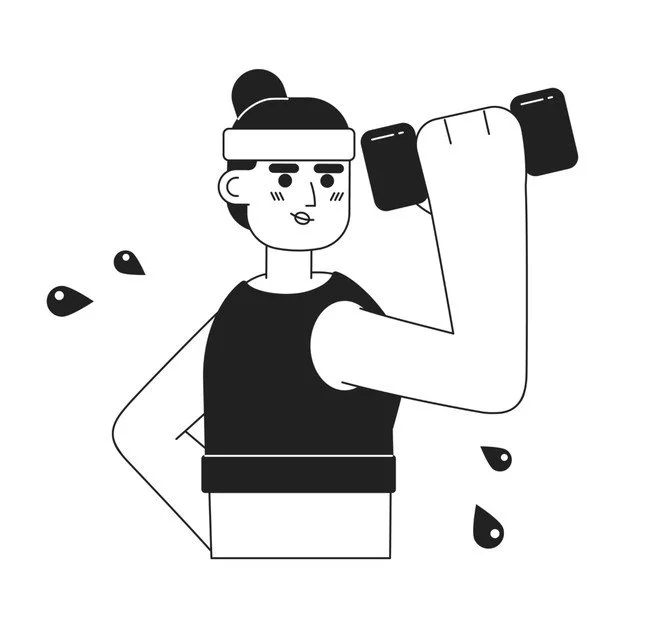
What if the problem is not what you lack, but where you invest your effort? This piece examines how inherited ideas about improvement shape leadership decisions, why gaps tend to dominate attention, and what becomes possible when strengths are treated as something to build on, not take for granted.

Leadership doesn’t always look like big decisions or visible achievements. Much of the year moved forward thanks to small, steady actions that often go unnoticed. This piece explores the everyday leadership we tend to overlook and why these quiet contributions matter more than we realize.

Setback can unsettle even experienced professionals. When a project slips, a decision misfires, or an initiative falls short, it raises questions about judgment, competence, and leadership. This piece does not have the pretense of offering solutions. It focuses on how to unpack such a situation, understand its context, and see what the outcome reveals about your leadership without letting it overshadow the rest of your work.

Networking does not require being an extrovert or spending hours at events. It grows through small, intentional actions. This piece offers a practical five step approach to staying connected, offering value, and strengthening professional relationships through a simple rhythm that feels natural and manageable.

Even in difficult workplaces, there is space to stay professional and thoughtful. This reflection explores what happens when control replaces trust, how to regain perspective, and how to keep your sense of direction while deciding what comes next, inside or outside the organization.

When work feels overwhelming, perspective can make all the difference. This story explores how curiosity and self-awareness can turn frustration into opportunity. By noticing what each situation reveals and staying open to learning, we often find that challenge and change quietly set the stage for growth and visibility. Would it be about creating serendipity ?

Transition begins once change is underway. It is the often-overlooked process of adjusting to new realities, roles, and expectations. Whether stepping into greater responsibility or finding stability after disruption, this piece explores how professionals can navigate transitions with clarity and steadiness while integrating what is new into who they are becoming.

We often praise leaders for conviction and quick decisions, but rarely for the courage to change their minds. Yet reconsideration is part of leading. It takes awareness, humility, and the ability to bring others along in the process. This reflection explores how adapting with clarity can strengthen trust and keep leadership alive.

Our mindset is shaped by the beliefs we carry. Some of these beliefs help us grow, while others quietly limit what we see as possible. This piece explores how recognizing our limiting beliefs can shift the way we think, lead, and make choices that align with who we are becoming.

In leadership, we often focus on what comes next, the next project, the next goal, the next challenge. But when we are always planning ahead, we risk overlooking what is happening right now. This piece explores how presence and awareness bring depth to leadership, reminding us that progress also means taking time to appreciate where we are.

Influence can take you far, but not always far enough. This blog explores what happens when leading without authority stalls, the toll it takes, and how the CORE framework (Clarify, Own, Request and Establish) can help you find clarity, support, and balance.
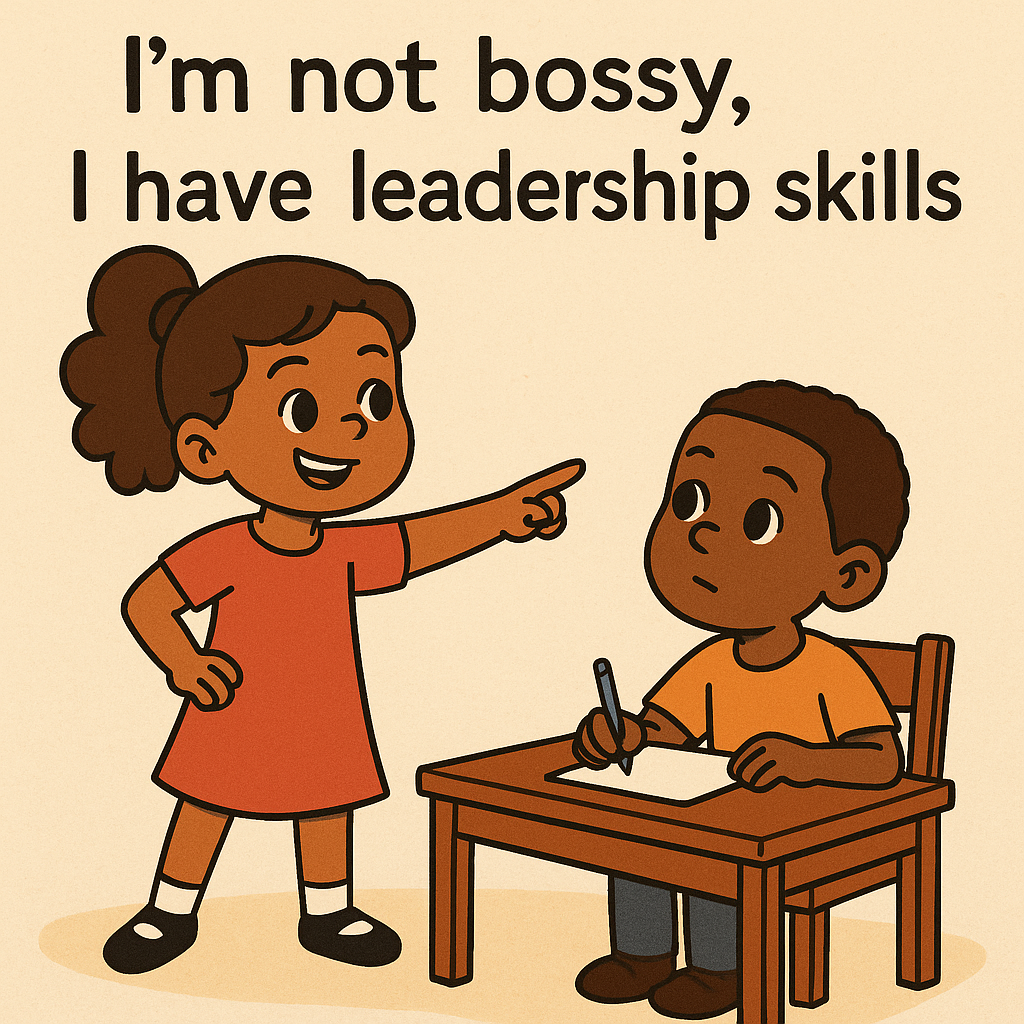
Leadership doesn’t begin with a title. It begins with the choices we make every day to build trust, take initiative, and influence outcomes, even without formal authority. Too often, we wait for a promotion to step into leadership, only to discover that the real practice starts much earlier. This piece explores how leadership without a title shows up in everyday actions, and why those small, consistent behaviors shape the foundation for future opportunities.

Frustration and irritation is inevitable in leadership, but how you respond makes all the difference. Quick reactions often feel powerful but can damage credibility and trust. This piece explores how a short pause shifts irritation into clarity, helping you lead with steadiness and authority instead of being carried away by the moment.

When your mind feels scattered, the instinct is often to push harder, to type faster, to keep talking, to tick off just one more box. But what if there were another way? A pause, even a short one, can shift perspective, lighten the load, and help you return with a clearer sense of direction. Resets do not need to be dramatic to make a difference.

We often think multitasking makes us more productive. Research shows otherwise. Our brains don’t really multitask , they switch, and every switch has a cost. In this post, I explore why the myth persists, and how sequencing and monotasking can restore clarity, focus, and progress.

Feedback is one of the most powerful ways to help others grow, yet it’s easy for it to come across as discouraging. Sometimes, the difference lies in a single word. This post explores simple word swaps , like turning “but” into “and” or shifting “you need to” into a collaborative “how about” that can make feedback easier to hear and more constructive. Small changes in language strengthen trust, encourage growth, and show that you value both people and results.

When things aren’t flowing, you don’t always need to escalate or wait for a breakthrough. Sometimes, a quiet shift in how you see or approach the situation can restore momentum. This post introduces the 4 R’s: Retire, Redirect, Repackage, Reflect, a practical mindset to help you stay grounded, responsive, and intentional when progress feels out of reach.

Feeling stuck at work doesn’t always mean you’re lost—it may just mean you need a new way forward. Before escalating a problem or staying silent too long, these six questions will help you step back, assess the situation, and move ahead with clarity and confidence—whether on your own or with others.

We often talk about distractions, motivation, and time management, but rarely name exhaustion and sleep loss as core leadership challenges. Yet the science is clear: when we cut sleep, we cut capacity. Focus, patience, memory, sound judgment—they all depend on rest.
This piece explores how sleep supports leadership, not just recovery. From cognitive clarity to emotional regulation, sleep is what allows us to show up with discernment and presence. It’s not about perfection or rigid routines; it’s about recognizing rest as an essential part of how we lead, decide, and sustain ourselves over time.

Taking time off isn’t a luxury, it’s part of your career path. In this short August reflection, I explore why stepping away from work is essential to showing up fully, building trust, and creating healthier team dynamics. Sometimes, the best way to lead is to unplug…. Once in a while .

In our pursuit of productivity, we often overlook the fact that energy, clarity, and focus don’t operate on fixed schedules. This piece explores the natural rhythm of work—the cycles of output and integration—and how what feels like a “slow” day may actually be doing essential work behind the scenes. Drawing on neuroscience and lived experience, I reflect on why honouring your internal rhythm isn’t about doing less—it’s about working differently.
Whether you’re in a sprint or a slowdown, this blog is a reminder: you’re not behind. You’re just in a different part of the cycle.

Boundaries aren’t just about time management—they’re about how we protect our energy, focus, and presence at work. But in many environments, setting limits can feel risky or misunderstood. This blog explores why boundaries often go unnoticed until they’re crossed, and why navigating them takes more than confidence. It’s about timing, tone, and understanding the unspoken rules that shape how we work—and how we’re seen.

Saying no at work isn’t always easy—especially when the request is reasonable, the stakes feel high, or the person asking is someone you respect. But every yes has a cost. Time, energy, focus—something has to give.
This piece offers practical ways to say no without damaging relationships or your reputation. Whether you're navigating last-minute requests, competing priorities, or the pressure to always be available, learning to say no clearly and respectfully is a valuable skill worth developing. It’s not about being difficult—it’s about staying focused on what matters most.

Success isn’t static. What once felt like achievement—recognition, results, visibility—can eventually feel mismatched, even hollow, as our roles evolve and priorities shift. But that doesn’t mean we’ve lost our way. It often means the definition of success needs to be updated to reflect who we’ve become.
This reflection explores what happens when the old benchmarks no longer fit, and how redefining success—on your own terms—can bring renewed clarity, confidence, and direction. If you’ve been questioning whether you’re still “on track,” this might be the conversation you didn’t know you needed.

We all know that inner voice—the one that questions your competence, downplays your progress, or tells you you’re not ready. It often shows up just when you’re about to stretch, speak up, or step forward.
This reflection invites a different approach: not to silence the inner critic, but to understand its role. Rooted in coaching principles and grounded in real-world experience, it explores how to shift from automatic self-judgment to intentional leadership—without ignoring the deeper context that shaped those inner doubts in the first place.
Because real confidence doesn’t come from pretending the voice isn’t there. It comes from learning how to lead yourself through it.

Resilience isn’t about returning to how things were. It’s about carrying forward what remains—and reimagining what’s possible from there.
In this reflection, I draw on the Japanese art of kintsugi and a personal story from the 2010 Haiti earthquake to explore how cracks, breaks, and disruptions, both personal and collective, can become part of what strengthens us. Not everything needs to be hidden or restored to its former shape. Sometimes, what’s most enduring is what has been lived through, repaired, and carried forward with care.
If you’ve ever felt changed by what you’ve experienced—this one is for you.

Learning doesn’t only happen in classrooms. For most new managers, the real learning happens in the hallway after a tough meeting, in the pause before responding, or in quiet moments of reflection. This piece explores the shift from doing to leading and the support that can make it less overwhelming, and more intentional.

We often think professional growth is all about competence, delivering results, staying composed, and doing the work. But what truly sets trusted leaders apart isn’t just what they know; it’s how they show up. Emotional intelligence is the ability to navigate what’s happening inside and around you and to respond with intention rather than instinct. It shapes handling pressure, building trust, and leading when things are unclear or emotionally charged.
Emotional intelligence isn’t a bonus skill in complex, high-stakes environments; it’s foundational. This blog explores what it really means, why it matters at every stage of leadership, and how you can begin to build it without becoming someone else.

When everything feels urgent, it’s easy to lose sight of what truly matters.
This blog explores how constant urgency becomes normalized in professional environments—and how it quietly reshapes roles, focus, and energy. For mid-level professionals navigating complex systems, it offers grounded reflections that validate the experience, clarify what’s at play, and help reclaim a sense of direction.

Not all uncertainty is loud and abrupt. Sometimes it shows up in the in-between moments—when timelines slip, decisions are postponed, or the mission that once felt clear becomes harder to connect with. For professionals navigating this kind of unease, this blog offers a way to respond without retreating, to stay engaged without losing yourself, and to find movement even when the path is unclear

Emotional agility is what helps you stay present when emotions run high and outcomes shift. It’s the space between feeling and reacting—where you can pause, make sense of what matters, and move forward with more clarity and confidence.

We often think of emotions as something to manage or suppress at work—but what if we viewed them differently? This blog explores how emotions are not a weakness or distraction, but valuable data. They offer insights into what matters, when something is off, or when it’s time to pay closer attention. For emerging leaders, especially in social impact spaces, learning to interpret emotions as information can lead to more intentional decisions, stronger confidence, and leadership that stays grounded in both clarity and purpose.

Leadership coaching isn’t just for senior executives—it’s for professionals who are ready to grow, question, and lead with more clarity. Whether you're stepping into new responsibilities or quietly wondering if there's more for you, coaching can help you navigate complexity without losing yourself.
In this post, I explore why leadership coaching is especially valuable for mid-level professionals, the myths that hold us back from seeking support, and how coaching can help you shift patterns, gain visibility, and lead with purpose in systems that don’t always make it easy

Some of the hardest workplace challenges aren’t about strategy or performance—they’re about people. A manager who shuts you down. A team member who won’t meet you halfway. A colleague whose presence just seems to drain you. These dynamics can leave even the most thoughtful professionals feeling stuck, frustrated, or invisible.
This article explores what to do when relationships at work become messy—drawing on real coaching conversations and grounded principles for navigating complex dynamics. It’s not about fixing others. It’s about regaining clarity, protecting your energy, and finding steady, sustainable ways forward—even when nothing around you seems to change.

Have you ever worried about seeming uncooperative just for setting a boundary? This post dives into the tension between likability and leadership—and offers a more sustainable path built on confidence and mutual respect.

Too often, we wait to speak up until we feel more experienced or fully ready. But your voice matters now. This blog challenges the idea that only seniority equals value and explores how contributing, being visible, and showing leadership don’t require decades in the field. You don’t have to wait to take up space.

In our roles, we’re often focused on action—solving problems, making decisions, and keeping things moving. But what if the most transformative professional skill is one we tend to overlook? This piece explores the power of listening—not just as a communication tool but as a way to build trust, confidence, and deeper connection. Whether you’re working with a team, collaborating with partners, or supporting a colleague, intentional listening creates space for understanding and meaningful progress.

Navigating difficult conversations is part of life in international organizations, especially when diverse perspectives and competing priorities are involved. This post offers practical tools to help you prepare, manage emotions, and communicate with clarity and confidence so you can handle tough discussions and strengthen working relationships.

"Learn how to navigate difficult conversations with confidence by understanding the three levels of conversation—what happened, feelings, and identity. Stay composed, listen actively, and reframe discussions constructively to foster collaboration, build trust, and reach meaningful resolutions.

Doing great work isn’t enough—visibility matters. Learn how to claim your achievements with confidence, make your contributions known, and advocate for your career growth without feeling boastful. Discover practical strategies to ensure your work gets the recognition it deserves while staying true to your values.

Discover why confidence—not just competence—drives career success. Confidence is essential for career growth. Explore real stories, insights from top leaders, and practical tips for building confidence targeted for international development professionals.

Discover how balancing high standards with confidence and flexibility can improve effectiveness and well-being. Explore strategies to embrace 'good enough,' avoid perfection traps, and focus on meaningful progress without burnout.

Small wins spark confidence, motivation, and momentum, making big tasks manageable. Break down goals, track progress, and move forward—one small step at a time.

Networking is essential for career growth, especially in the International Development field, where mobility and change are constant. Explore practical tips to make networking manageable and meaningful.
Toute personne appelée à diriger doit un jour prendre une décision sans posséder toute l’expertise nécessaire pour trancher avec certitude. Deux situations concrètes, l’une où cet écart a coûté cher et l’autre où une consultation plus large a changé la suite, permettent d’examiner comment donner de meilleures assises à une décision lorsque l’expertise se trouve ailleurs.
On parle sans arrêt de gérer sa relation avec la hiérarchie et de diriger son équipe. La dimension à laquelle on accorde très peu d'attention est pourtant celle qui se trouve à nos côtés : nos collègues. La recherche suggère qu'elle pourrait compter davantage pour notre parcours professionnel que les deux autres. Voici ce qu'est réellement le management transversal et comment le pratiquer sans titre ni autorité formelle.

Nous avons tendance à confondre succès et bonheur, croyant que la prochaine promotion, le prochain projet ou la prochaine étape nous apportera enfin la satisfaction recherchée. Les travaux d'Arthur Brooks suggèrent plutôt l'inverse : le bonheur est ce qui rend le succès durable, et non sa récompense. Inverser cet ordre compte davantage que de courir après le prochain signe de réussite
Prendre des décisions, c'est la partie visible du leadership. Et certaines sont plus difficiles que d'autres. Ce qui se passe après, lorsque la pression est retombée et que les impacts se font sentir, c'est ce qui façonne également votre leadership. Comment vous regardez le processus, comment vous abordez les tensions et si vous le faites seul·e est le sujet de ce blogue.
La plupart d'entre nous avons intégré, d'une façon ou d'une autre, que le stress est un problème à régler. Et si ce n'était pas le stress lui-même le problème, mais ce qu'on en pense? Plutôt que de chercher à le faire disparaître, que se passerait-il si on apprenait à composer avec lui?
Le sentiment d'imposteur est un terme que l'on entend partout, mais qu'on examine rarement en profondeur.. Valerie Young a identifié cinq profils distincts dans la façon dont il se manifeste et chacun suit sa propre logique. Ces profils peuvent influencer la façon dont on exerce son leadership, ce que l'on modèle pour les autres et les standards que l'on impose, consciemment ou non. Comprendre lequel vous correspond est plus utile que d'aborder le doute de soi en termes généraux.
Sentiment d'imposteur. Manque de confiance. On utilise ces termes comme s'ils voulaient dire la même chose. Ce n'est pas le cas. L'un concerne la difficulté à s'approprier un succès pourtant bien réel. L'autre est situationnel, contextuel, et souvent temporaire. Savoir lequel vous traversez change ce que vous faites ensuite. Et ni l'un ni l'autre n'est une fatalité.
Prendre la tête d'une équipe de collègues que l'on connaît déjà, c'est naviguer un changement de dynamique que personne ne voit vraiment venir. Non pas parce que le travail est inconnu, mais parce que les relations, elles, le sont trop. Ce qui suit explore ce qui déraille, ce que la résistance prend comme forme, et ce qui aide vraiment à prendre sa place sans perdre sa crédibilité.
On parle beaucoup de miser sur ses forces. Peu de personnes s'interrogent sur ce qui n'a jamais eu l'espace pour émerger. Vous avez été reconnu·e pour ce que vous faites bien. Mais qu'en est-il de tout ce que vous n'avez pas encore eu l'occasion de devenir ? Le potentiel inexploité n'apparaît pas dans la plupart des évaluations de rendement. Il se révèle quand quelqu'un prend un risque, quand les circonstances changent, ou quand un·e leader décide de regarder au-delà de l'évident. Cet article explore ce que cela représente concrètement, pour vous et pour les personnes que vous dirigez.
L'IA fait désormais partie du quotidien professionnel. Mais l'utilisons-nous vraiment bien ? Des recherches récentes montrent que seulement 5 % des employés l'utilisent de façon véritablement sophistiquée. La différence ne tient pas aux compétences techniques. Elle tient à la qualité des questions qu'on lui pose, et à l'esprit critique et à la curiosité qu'on apporte à ce qu'elle produit. Ce billet explore ce que signifie concrètement une utilisation de l'IA plus délibérée et plus engagée.
Vous avez fait le travail. Vous connaissez le dossier. Vous arrivez préparé·e. Et pourtant, vos idées passent inaperçues, sont repoussées, ou reprises plus tard par quelqu'un d'autre. Ce n'est pas nécessairement une question de confiance en soi. C'est encore plus marqué si vous êtes encore en train de prendre vos repères, venez de prendre un nouveau poste, ou d'intégrer une nouvelle organisation. Ce qui fait qu'une idée prend ou ne prend pas a souvent moins à voir avec sa qualité qu'avec la façon dont vous la portez, le moment où vous la partagez, et les personnes que vous choisissez d'impliquer. Trois approches concrètes pour que vos idées trouvent leur place, peu importe où vous vous situez dans l'organisation.
L'IA peut structurer votre réflexion, organiser vos idées et accélérer votre travail. Ce qu'elle ne peut pas faire, c'est vous dire ce qui compte vraiment. Cette partie exige encore un être humain qui connaît le contexte, a navigué la complexité et comprend les conséquences. En d'autres mots, elle exige encore un leader.
Que se passe-t-il lorsque vous travaillez avec quelqu'un dont la version des événements change constamment ? Il ne s'agit pas de désaccord ou de perspectives différentes, mais d'une situation où le terrain bouge sous les faits de base. Les incohérences commencent souvent petites : une réunion racontée différemment, des détails ajustés selon qui demande. Aucun incident isolé ne semble suffisamment important pour être confronté, mais le schéma s'accumule. L'énergie se déplace du travail vers la vérification et la documentation. Pour les leaders, cela devient une condition opérationnelle nécessitant une adaptation discrète et pragmatique lorsque la conversation s'avère insuffisante.
La rapidité et la visibilité sont de plus en plus considérées comme des signes de compétence au travail. Agir rapidement rassure, crée une dynamique et permet de faire avancer les choses. Mais la rapidité a aussi un coût qui se révèle souvent plus tard. Cette réflexion examine pourquoi la rapidité est devenue si importante dans la vie professionnelle, ce qu'elle permet, ce qu'elle élimine et comment le jugement des personnes en position de leadership ne réside pas dans le choix entre rapidité et lenteur, mais dans la capacité à savoir quand le mouvement sert véritablement le travail.
Cette réflexion explore les zones grises du leadership, ces moments où les valeurs organisationnelles et les pressions externes entrent en conflit. Issue d'années d'observation, elle examine comment les dirigeant·e·s naviguent des choix impossibles, où chaque option comporte son lot de compromis. Plutôt que de juger, ce texte invite à comprendre comment ces décisions révèlent les tensions inhérentes au leadership et comment l'intégrité ne se manifeste pas dans l'absence de conflits, mais dans la manière de les traverser avec transparence et responsabilité.
Une performance solide repose souvent sur des forces qui fonctionnent. Lorsque ces forces sont reconnues et valorisées, elles apportent confiance, clarté et légitimité. Avec le temps toutefois, ce qui fonctionne bien peut devenir un réflexe, influençant la manière dont les autres nous perçoivent et les rôles que l’on nous confie. Cet article explore comment les forces peuvent restreindre notre champ d’action lorsque l’apprentissage semble superflu, pourquoi le changement est le plus difficile à justifier lorsque les résultats sont bons, et en quoi l’apprentissage continu permet de préserver des options professionnelles. La question n’est pas de savoir si nos forces sont efficaces, mais si elles nous préparent encore à ce que nous n’avons pas encore rencontré.
Le problème n’est peut-être pas ce qui manque, mais l’endroit où l’effort est investi. Certaines idées héritées sur l’amélioration orientent les décisions de leadership, attirent l’attention vers les lacunes et laissent souvent de côté ce qui pourrait être construit à partir des forces existantes.
Beaucoup de formes de leadership passent inaperçues. Cet article explore comment de petites actions régulières soutiennent le travail au quotidien et pourquoi ces contributions discrètes comptent plus qu’on ne le pense. Une réflexion sur le leadership que l’on oublie souvent de reconnaître.
Un revers peut déstabiliser même les personnes les plus expérimentées. Lorsqu’un projet dérape, qu’une décision manque sa cible ou qu’une initiative n’atteint pas ses objectifs, cela soulève des questions sur le jugement, la compétence et le leadership. Ce texte ne prétend pas apporter des solutions. Il aide à démêler une telle situation, à comprendre son contexte et à voir ce qu’elle révèle de votre leadership, sans qu’elle n’éclipse le reste de votre travail.
Le réseautage ne nécessite pas d'être extraverti ou de passer des heures à des événements. Il se développe grâce à de petites actions délibérées. Cet article propose une approche pratique en cinq étapes pour rester en contact, offrir de la valeur ajoutée et renforcer les relations professionnelles grâce à un rythme simple, naturel et facile à suivre.
Même dans des environnements de travail difficiles, il est possible de rester professionnel·le et lucide. Cette réflexion explore ce qui se passe lorsque le contrôle prend le pas sur la confiance, comment retrouver de la perspective, et comment garder votre cap tout en décidant de la suite.
Lorsque le travail semble insurmontable, le recul peut faire toute la différence. Cette histoire explore comment la curiosité et la conscience de soi peuvent transformer la frustration en opportunité. En remarquant ce que chaque situation révèle et en restant ouvert à l'apprentissage, nous constatons souvent que les défis et les changements préparent discrètement le terrain pour la croissance et la visibilité. S'agirait-il de créer un heureux hasard ? De créer la sérendipité ?
La transition commence dès que le changement est en cours. Il s'agit d'un processus souvent négligé qui consiste à s'adapter à de nouvelles réalités, de nouveaux rôles et de nouvelles attentes. Qu'il s'agisse d'assumer de plus grandes responsabilités ou de retrouver une certaine stabilité après une période de bouleversements, cet article explore comment les professionnel·le·s peuvent gérer les transitions avec clarté et constance tout en intégrant les nouveautés à leur nouvelle identité.
Changer d’avis n’est pas un signe d’indécision, mais une compétence de leadership. Savoir reconnaître quand une décision ne fonctionne plus et expliquer pourquoi on ajuste sa trajectoire permet de renforcer la confiance et d’ouvrir la voie à de nouvelles idées.
Notre état d’esprit est façonné par les croyances que nous portons. Certaines nous aident à évoluer, tandis que d’autres limitent silencieusement notre vision du possible. Cet article explore comment reconnaître nos croyances limitantes peut transformer notre façon de penser, de diriger et de faire des choix alignés avec la personne que nous devenons.
En leadership, on se concentre souvent sur ce qui vient ensuite : le prochain projet, le prochain objectif, le prochain défi. Mais à force de toujours regarder vers l’avant, on risque de passer à côté de ce qui se passe ici et maintenant. Ce texte explore comment la présence et la conscience de l’instant peuvent enrichir le leadership, en nous rappelant que progresser, c’est aussi prendre le temps d’apprécier là où l’on se trouve.
On dit souvent que le leadership repose sur l’influence plutôt que sur le titre. Mais que faire lorsque l’influence seule ne suffit pas ? Cet article explore l’impact émotionnel de ces situations et les raisons pour lesquelles l’influence échoue parfois, tout en proposant des pistes pour retrouver appuis, clarté et confiance.
Le leadership ne commence pas avec une reconnaissance officielle , il se construit bien avant, dans les gestes du quotidien. Prendre des initiatives, écouter activement, assumer ses responsabilités, valoriser les autres et faire preuve d’intégrité sont autant d’habitudes simples qui forgent une influence durable, peu importe le poste occupé. La crédibilité ne vient pas du statut, mais de l’action. En cultivant la confiance et des relations solides, chacun·e peut exercer un leadership authentique, sans attendre d’y être autorisé·e. Le message est clair : n’attendez pas la promotion pour agir comme un·e leader. Le leadership commence ici et maintenant , dans chaque choix, chaque interaction, chaque occasion de faire une différence.

L’irritation est inévitable en leadership mais la façon d’y réagir fait toute la différence. Les réactions rapides donnent souvent une impression de contrôle mais peuvent nuire à la crédibilité et à la confiance. On explore comment une courte pause permet de transformer l’irritation en clarté, vous aidant à diriger avec constance et autorité plutôt que de vous laisser emporter par le moment
Quand les demandes s’accumulent et que la fatigue s’installe, il est facile de se sentir dépassé·e et de forcer pour avancer. Pourtant, ce réflexe épuise plus qu’il n’aide. Nos esprits suivent des rythmes naturels : de courtes pauses, prises au bon moment, permettent de retrouver clarté et concentration. S’éloigner de l’écran, écrire ce qui est accompli, respirer différemment, sortir quelques minutes ou faire une micro-sieste : autant de remises à zéro simples qui respectent ces rythmes et soutiennent l’équilibre et la performance pour chacun·e.
Le multitâche donne l’impression d’être efficace, mais la recherche montre que c’est une illusion. Notre cerveau ne fait pas vraiment deux choses à la fois , il alterne, et chaque alternance entraîne une perte de temps, de précision et de concentration. Ce billet explore pourquoi le mythe du multitâche persiste, quels rôles sont les plus concernés et comment le séquençage et le monotâche peuvent offrir une façon plus durable de gérer de multiples exigences.

La rétroaction est l’un des moyens les plus puissants pour favoriser la croissance des autres, mais elle peut facilement être perçue comme décourageante. Parfois, la différence se joue à un seul mot. Cet article explore de simples ajustements de langage, comme transformer « mais » en « et » ou remplacer « vous devez » par un plus collaboratif « et si », qui rendent la rétroaction plus facile à recevoir et plus constructive. De petits changements dans les mots renforcent la confiance, encouragent le progrès et montrent que vous accordez de la valeur à la fois aux personnes et aux résultats.
Quand les choses ne coulent pas de source, il n’est pas toujours nécessaire d’escalader la situation ou d’attendre un déclic. Parfois, un léger changement de perspective ou d’approche suffit à rétablir l’élan. Je vous propose ici les 4 R : Renoncer, Rediriger, réorienter, Réfléxion , une approche concrète pour rester ancrée, réceptive et intentionnelle lorsque le progrès semble hors de portée.
Se sentir bloqué·e au travail ne veut pas forcément dire qu’on est perdu·e , parfois, il suffit d’une nouvelle façon d’avancer. Avant de faire remonter un problème ou de rester silencieux·se trop longtemps, ces six questions vous aideront à prendre du recul, analyser la situation et progresser avec clarté et confiance, seul·e ou avec d’autres.
On parle souvent de distractions, de motivation et de gestion du temps, mais on nomme rarement l’épuisement et le manque de sommeil comme de véritables défis en matière de leadership. Pourtant, la science est claire : réduire son sommeil, c’est réduire sa capacité. La concentration, la patience, la mémoire, le jugement, tous dépendent du repos que l’on se permet.
Ce texte explore comment le sommeil soutient le leadership, au-delà de la simple récupération. De la clarté mentale à la régulation émotionnelle, c’est le sommeil qui nous permet de faire preuve de discernement et de présence. Il ne s’agit pas de perfection ou de routines rigides, mais de reconnaître le repos comme un élément essentiel de notre façon de diriger, de décider et de durer dans le temps.
Prendre congé n’est pas un luxe, c’est une étape à part entière de votre parcours professionnel. Dans cette courte réflexion d’août, j’explore pourquoi s’éloigner du travail est essentiel pour être pleinement présent·e, bâtir la confiance et favoriser une dynamique d’équipe plus saine. Parfois, la meilleure façon de diriger, c’est de décrocher…. De temps en temps.
Dans notre quête de productivité, on oublie souvent qu’énergie, clarté et concentration ne suivent pas un emploi du temps fixe. Cet article explore le rythme naturel du travail, les cycles d’action et d’intégration et montre comment une journée « lente » peut en réalité être un moment essentiel de travail en coulisses. En m’appuyant sur les neurosciences et l’expérience de terrain, je propose une autre lecture : respecter son rythme intérieur, ce n’est pas faire moins, c’est travailler autrement.
Que vous soyez en plein élan ou dans un temps de pause, ce blogue vous rappelle une chose : vous n’êtes pas en retard. Vous êtes simplement dans une autre phase du cycle
Les limites ne concernent pas seulement la gestion du temps, elles touchent à la manière dont nous protégeons notre énergie, notre attention et notre présence au travail. Mais dans de nombreux contextes, poser des limites peut sembler risqué ou mal perçu. Ce blogue explore pourquoi les limites passent souvent inaperçues jusqu’à ce qu’elles soient franchies, et pourquoi les établir demande bien plus que de la confiance en soi. Il s’agit de justesse, de ton, et de compréhension des règles implicites qui façonnent notre manière de travailler et la façon dont nous sommes perçu·es.
Refuser une demande au travail peut sembler inconfortable, surtout lorsque la requête est légitime ou que la relation compte. Pourtant, chaque « oui » a un coût – sur votre temps, votre énergie, et parfois votre clarté.Ce texte propose des approches concrètes pour dire non avec respect, sans nuire à vos relations ou à votre crédibilité. Il ne s’agit pas d’être inflexible, mais d’être intentionnel·le. Apprendre à poser ses limites avec clarté est une compétence essentielle pour rester concentré·e sur ce qui compte vraiment – et pour exercer un leadership aligné et durable.
Ce qui définissait le succès à une étape de notre parcours ne correspond pas toujours à ce qui nous anime aujourd’hui. Nos rôles évoluent. Nos priorités aussi. Et pourtant, nous continuons parfois à nous évaluer avec d’anciens repères même lorsqu’ils ne sont plus adaptés.
Cette réflexion explore comment redéfinir le succès avec lucidité et intention. Ce n’est pas abandonner : c’est reconnaître le chemin parcouru, les nouvelles réalités, et ce qui mérite notre énergie aujourd’hui. Si vous avez l’impression de tourner en rond malgré vos efforts, cette lecture pourrait vous offrir un nouvel élan et une définition du succès qui vous ressemble, ici et maintenant.
Cette voix intérieure qui doute, qui freine, qui critique… nous la connaissons toutes et tous. Elle surgit souvent aux moments les plus importants, juste quand nous sommes sur le point d’oser, de prendre la parole ou d’avancer vers quelque chose qui compte.
Plutôt que de chercher à la faire taire, cette réflexion propose une autre voie : comprendre son origine, décoder son message, et apprendre à dialoguer avec elle. Ancrée dans la pratique du coaching, elle explore comment transformer cette voix , parfois héritée de notre environnement ou de nos expériences , en un signal plutôt qu’un saboteur.
Parce que le vrai leadership ne consiste pas à éliminer le doute, mais à apprendre à avancer avec lui, avec lucidité et compassion.
La résilience ne consiste pas toujours à revenir à l’état d’avant. Parfois, ce qui a été brisé ne peut ni ne doit être restauré à l’identique. Il s’agit plutôt de reconnaître ce qui a changé, de l’intégrer avec soin et d’imaginer ce qui est possible à partir de là.
Dans ce texte, je partage une réflexion inspirée du kintsugi, un art japonais ancien qui répare les objets brisés avec de l’or. À travers cette métaphore et une histoire personnelle marquée par le séisme de 2010 en Haïti, j’explore une forme de résilience plus nuancée — une résilience qui ne cherche pas à cacher les fissures, mais à en faire partie de l’histoire.
Si tu te demandes comment avancer avec ce que la vie a transformé en toi, cette lecture pourrait te faire écho.
L’apprentissage ne se fait pas uniquement en salle de classe. Pour la plupart des nouveaux·elles gestionnaires, les véritables apprentissages ont lieu dans le couloir après une réunion difficile, dans la pause avant de répondre ou dans les moments de réflexion silencieuse. Ce texte explore le passage de l’exécution à l’encadrement, ainsi que le type de soutien qui peut rendre cette transition moins intimidante, plus intentionnelle et propice à bâtir la confiance en soi, dans son rôle et au sein de l’équipe.
On pense souvent que le développement professionnel repose uniquement sur la compétence, les résultats, la maîtrise de soi et l’exécution. Mais ce qui distingue réellement les dirigeant·e·s de confiance, ce n’est pas seulement ce qu’elles ou ils savent, c’est la manière de se présenter. L’intelligence émotionnelle, c’est la capacité de naviguer entre ce qui se passe en soi et autour de soi, et d’y répondre avec intention plutôt que par réflexe. Elle façonne la manière de gérer la pression, de bâtir la confiance et de diriger quand les choses sont floues ou chargées d’émotion.
Dans des environnements complexes et à enjeux élevés, l’intelligence émotionnelle n’est pas une compétence de plus : c’est un élément essentiel. Ce blogue explore ce qu’elle signifie réellement, pourquoi elle compte à chaque étape du leadership, et comment commencer à la développer sans renier qui l’on est.
Lorsque tout semble urgent, il est facile de perdre de vue ce qui compte vraiment.
Ce blog explore comment l'urgence constante devient la norme dans les environnements professionnels et comment elle remodèle discrètement les rôles, les priorités et l'énergie. Il offre aux professionnels de niveau intermédiaire qui évoluent dans des systèmes complexes des réflexions fondées qui valident leur expérience, clarifient les enjeux et les aident à retrouver un sens à leur travail.
Toute incertitude n’est pas forcément bruyante ni soudaine. Parfois, elle se manifeste dans les moments d’entre-deux quand les échéanciers dérapent, que les décisions sont repoussées ou que la mission, autrefois limpide, devient plus difficile à saisir. Pour les professionnel·le·s qui traversent ce genre de malaise, ce blogue propose une façon de réagir sans se replier, de rester engagé·e sans se perdre et de trouver un élan, même lorsque le chemin semble flou.
L’agilité émotionnelle est ce qui vous permet de rester présent.e lorsque les émotions sont vives et que les choses prennent une autre tournure. C’est l’espace entre ce que vous ressentez et votre réaction, un espace où vous pouvez faire une pause, clarifier ce qui compte et avancer avec plus de clarté et de confiance.
On pense souvent que les émotions doivent être gérées ou mises de côté au travail , mais si on les voyait autrement ? Ce texte explore comment les émotions ne sont pas une faiblesse ou une distraction, mais des données précieuses. Elles nous indiquent ce qui compte, quand quelque chose ne va pas, ou quand il faut prêter davantage attention. Pour les leaders émergents, notamment dans les secteurs à impact social, apprendre à interpréter les émotions comme des informations permet de prendre des décisions plus intentionnelles, de renforcer la confiance en soi, et d’exercer un leadership ancré dans la clarté et la cohérence.
Le coaching en leadership n’est pas réservé aux cadres supérieur·es. Il s’adresse aux professionnel·les prêt·es à évoluer, à se questionner et à diriger avec plus de clarté. Que vous assumiez de nouvelles responsabilités ou que vous vous demandiez discrètement s’il n’y a pas quelque chose de plus pour vous, le coaching peut vous aider à naviguer dans la complexité sans vous perdre.
Dans ce texte, j’explore pourquoi le coaching en leadership est particulièrement précieux pour les professionnel·les de niveau intermédiaire, les mythes qui nous empêchent parfois de chercher du soutien, et comment le coaching peut vous aider à transformer des schémas, à gagner en visibilité, et à exercer un leadership aligné, même dans des systèmes qui ne facilitent pas toujours les choses.
Certaines des difficultés les plus éprouvantes au travail ne concernent ni les stratégies ni les résultats : elles concernent les relations humaines. Un·e gestionnaire qui vous coupe la parole. Un·e collègue qui refuse de collaborer. Une dynamique qui vous vide de votre énergie, sans que vous sachiez exactement pourquoi. Ces situations laissent même les professionnel·les les plus engagé·es avec un sentiment d'impasse, de frustration ou d'invisibilité.
Cet article explore comment avancer lorsque les relations de travail deviennent complexes—en s’appuyant sur des exemples vécus en coaching et des principes concrets pour mieux composer avec les autres. Il ne s’agit pas de changer les gens, mais de retrouver de la clarté, de poser ses limites, et de se réapproprier son pouvoir d’agir—même lorsque la situation elle-même ne change pas.

Vous est-il déjà arrivé de craindre d’être perçu·e comme peu coopératif·ive simplement parce que vous posiez une limite ? Cette publication explore la tension entre le fait de vouloir être apprécié·e et l’exercice du leadership et propose une voie plus durable, fondée sur la confiance en soi et le respect mutuel.
Trop souvent, nous attendons de nous sentir plus expérimenté·e·s ou totalement prêt·e·s avant de prendre la parole. Pourtant, votre voix a de l'importance dès maintenant. Ce blog remet en question l'idée selon laquelle la valeur repose uniquement sur l'ancienneté et explore comment contribuer, être visible et démontrer son leadership ne requiert pas nécessairement des décennies d'expérience. Vous n'avez pas besoin d'attendre pour occuper votre place.
Dans nos rôles, nous sommes souvent axé·es sur l’action : résoudre des problèmes, prendre des décisions et faire avancer les choses. Mais si la compétence professionnelle la plus transformatrice était celle que nous avons tendance à négliger ? Ce texte explore le pouvoir de l’écoute — non seulement comme un outil de communication, mais aussi comme un moyen de bâtir la confiance, de renforcer l’assurance et de créer des liens plus profonds. Que vous travailliez en équipe, collaboriez avec des partenaires ou souteniez un·e collègue, l’écoute intentionnelle ouvre un espace propice à la compréhension et à des avancées porteuses de sens.
Gérer des conversations difficiles fait partie de la vie dans les organisations internationales, en particulier lorsque des perspectives diverses et des priorités concurrentes entrent en jeu. Cet article propose des outils pratiques pour vous aider à vous préparer, à gérer les émotions et à communiquer avec clarté et confiance, afin d’aborder les discussions délicates et de renforcer les relations de travail.
Apprenez à gérer les conversations difficiles avec confiance en soi en comprenant les trois dimensions de l’échange : les faits, les émotions et l’identité. Restez calme, écoutez activement et reformulez les discussions de manière constructive afin de favoriser la collaboration, renforcer la confiance et parvenir à des solutions significatives.
Faire du bon travail ne suffit pas, la visibilité compte. Apprenez à revendiquer vos succès avec confiance, à mettre en avant vos contributions et à défendre votre progression professionnelle sans avoir l’impression de vous vanter. Découvrez des stratégies concrètes pour que votre travail reçoive la reconnaissance qu’il mérite, tout en restant fidèle à vos valeurs.
Découvrez pourquoi la confiance, et pas seulement la compétence, favorise la réussite professionnelle. Essentielle à l’évolution de carrière, la confiance se construit avec des témoignages inspirants, des conseils de leaders et des astuces pratiques, spécialement conçus pour les professionnels du développement international.
Apprenez à équilibrer exigences élevées, confiance et flexibilité pour gagner en efficacité et en bien-être. Découvrez comment accepter « assez bien », éviter les pièges du perfectionnisme et avancer vers des résultats concrets sans épuisement.

Les petites victoires renforcent la motivation et créent de l’élan, facilitant la gestion des grandes tâches avec confiance. Divisez vos objectifs, suivez vos progrès et avancez—un pas à la fois.
Le réseautage est essentiel pour le développement de carrière, en particulier dans le domaine du développement international, où la mobilité et le changement sont constants. Découvrez des conseils pratiques pour rendre le réseautage à la fois accessible et significatif.
The information provided in these blogs is for educational and informational purposes only and does not replace therapy, mental health services, or career counseling provided by a licensed professional. As a certified coach, my role is to support professional growth, not to offer psychological or regulated career counseling services.
Les informations fournies dans ces blogs sont à titre éducatif et informatif uniquement et ne remplacent pas la thérapie, les services de santé mentale ou l’accompagnement en orientation professionnelle offert par un·e professionnel·le réglementé·e. En tant que coach certifiée, mon rôle est d’accompagner le développement professionnel, et non d’offrir des services psychologiques ou d’orientation réglementée.